
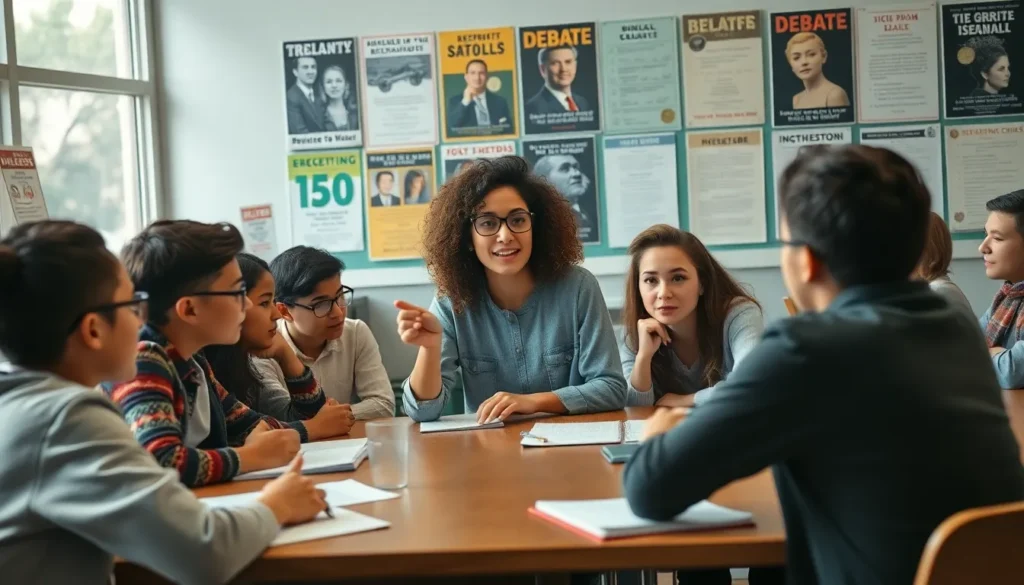
High school clubs are like the secret sauce of the teenage experience. They’re not just about meeting new friends; they’re about discovering passions, honing skills, and maybe even finding a little slice of your future. Whether it’s the debate team or the knitting club, these groups offer a stage for creativity and camaraderie that textbooks just can’t provide.
Overview of High School Clubs
High school clubs represent a vital aspect of student life. These organizations cater to diverse interests, from academic pursuits to recreational activities. Each club creates an inclusive environment, allowing students to collaborate and learn together.
Some popular types of high school clubs include academic teams, art societies, and sports groups. Students in debate clubs enhance their public speaking and critical thinking skills. Members of art clubs express creativity through various mediums. Sports clubs promote teamwork and physical fitness, fostering a sense of community.
Participation in these clubs often leads to valuable experiences. Leadership opportunities arise as students take on officer roles. Positive relationships form, creating friendships that extend beyond the classroom. Furthermore, clubs can enhance college applications, showcasing involvement and dedication.
Clubs also organize events that engage the entire school. Fundraisers contribute to local charities, instilling a sense of civic responsibility. Seasonal festivals and competitions offer students a chance to showcase their talents and learn organizational skills.
Benefits extend beyond social interactions. Students gain real-world skills, such as time management and project planning. Networking opportunities emerge, connecting students with peers and mentors who share similar interests. Engaging in high school clubs shapes well-rounded individuals prepared for future challenges.
Types of High School Clubs
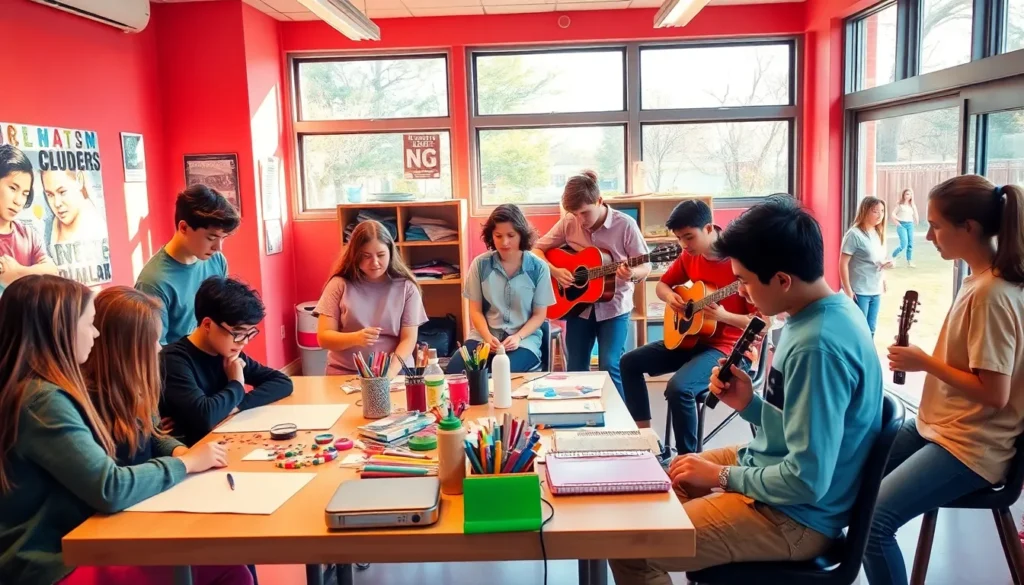
High school clubs encompass a variety of interests, engaging students in numerous ways. They contribute significantly to personal and academic growth.
Academic Clubs
Academic clubs focus on specific subjects like math, science, literature, and debate. They offer opportunities for students to enhance critical thinking and public speaking skills. Participation in these groups often leads to competitions, fostering a sense of achievement. Students explore new topics and collaborate with peers who share similar passions. Clubs like mathletes and science Olympiads prepare participants for future academic challenges.
Arts and Music Clubs
Arts and music clubs celebrate creativity and self-expression. Options may include drama, visual arts, and various music ensembles, including orchestras and bands. Involvement in these clubs helps students develop talents and express their individuality. Students often collaborate on projects, from theatrical productions to art exhibitions. These activities also promote teamwork and can lead to performances that engage the community.
Sports and Recreation Clubs
Sports and recreation clubs cater to students interested in physical activity and team dynamics. They encompass team sports like soccer and basketball as well as individual pursuits such as running and yoga. These clubs promote physical fitness and instill valuable lessons in cooperation and strategy. Student athletes often build camaraderie and develop leadership skills through competition. Clubs frequently participate in leagues or tournaments, enhancing school spirit.
Community Service Clubs
Community service clubs focus on volunteerism and social responsibility. They often organize events that benefit local charities and promote civic engagement. Participation nurtures a sense of compassion and awareness of societal issues. Students learn about collaboration and the importance of giving back to their communities. Clubs may also partner with local organizations for projects, strengthening school ties with the surrounding community.
Benefits of High School Clubs
High school clubs offer numerous advantages that enhance the overall educational experience for students.
Social Development
Participation in clubs encourages students to build lasting relationships. Interaction with peers in a relaxed setting fosters communication skills. Exposure to diverse perspectives aids in developing empathy. Collaborative experiences promote teamwork, which is invaluable in various life scenarios. Developing friendships within clubs creates a support network that extends beyond academics.
Skill Building
Clubs provide opportunities for skill enhancement that classroom settings might not cover. Leadership opportunities arise through roles like president or event organizer, helping students gain confidence. Activities in clubs often involve public speaking, critical thinking, or creative problem-solving. These experiences translate into essential skills applicable in college and career settings. Members learn to manage projects and collaborate effectively, preparing them for future challenges.
College Applications
Clubs significantly strengthen college applications by highlighting student involvement. Admission committees look for candidates who actively engage in school life, and participation in clubs demonstrates commitment. Leadership roles or unique contributions show initiative and dedication. Additionally, students can list relevant accomplishments that set them apart. Skills acquired through clubs also complement academic achievements, creating a well-rounded profile for prospective institutions.
Challenges Faced by High School Clubs
High school clubs encounter various challenges that can impede their growth and effectiveness. Awareness of these obstacles helps in developing solutions.
Funding and Resources
Securing adequate funding poses a significant challenge for many high school clubs. Budget constraints often limit the ability to organize events, purchase necessary supplies, or participate in competitions. Access to grants or fundraising initiatives might not be readily available, making resource allocation difficult. Clubs may rely heavily on school budgets, which often prioritize core academic programs. Consequently, without financial backing, clubs struggle to thrive and attract new members. Collaborative efforts between clubs and the school administration can enhance resource sharing, creating a more sustainable environment for student organizations.
Participation and Engagement
Gaining consistent participation remains a hurdle for high school clubs. Students often juggle academic responsibilities, extracurricular activities, and personal commitments, resulting in fluctuating attendance. Many clubs find it challenging to engage members beyond initial meetings, as interests can change. Additionally, students might feel intimidated by existing members or unsure of how to contribute. Promoting a welcoming atmosphere through targeted outreach can encourage participation. Utilizing social media and school announcements enhances visibility and awareness while incentivizing involvement through events and rewards helps maintain enthusiasm for club activities.
High school clubs play a crucial role in enriching the student experience. They offer a space for personal growth and skill development while fostering connections among peers. By participating in these clubs, students not only explore their interests but also build a foundation for future success.
Despite facing challenges like funding and participation, the benefits of being involved in high school clubs are undeniable. These organizations help students develop essential life skills and create lasting memories. As students navigate their high school years, engaging in clubs can significantly enhance their overall educational journey and prepare them for the opportunities ahead.