
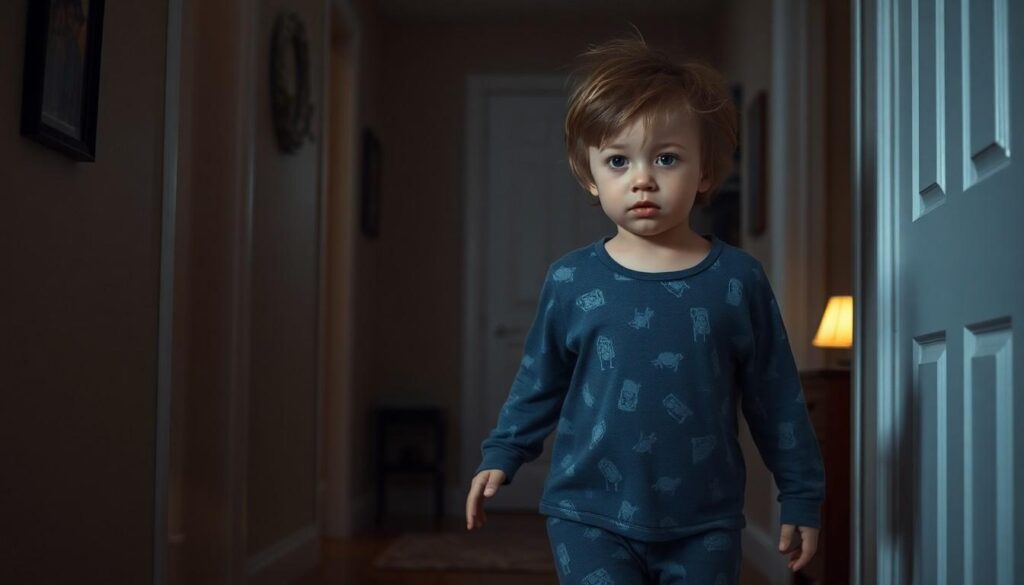
Picture this: It’s the middle of the night, and your little one is wandering around the house like a tiny zombie on a mission. Sleepwalking might sound like something straight out of a horror movie, but for many families, it’s just another quirky chapter in the parenting saga. While it can be amusing to watch a child navigate their dreams with their eyes wide shut, sleepwalking can also raise eyebrows and concerns.
So why do kids sleepwalk? Is it a sign of a restless spirit or just an overactive imagination? As it turns out, sleepwalking is more common than you might think, and understanding the phenomenon can help parents navigate these nighttime adventures with ease. Buckle up as we dive into the world of sleepwalking, uncovering the reasons behind it and sharing tips to keep those nighttime wanderers safe and sound.
Understanding Kids Sleep Walking
Sleepwalking in children is a fascinating behavior that captivates parents and caregivers. This phenomenon involves kids walking or engaging in other actions while asleep, often leading to humorous or alarming situations.
Definition and Overview
Sleepwalking, also known as somnambulism, occurs during the non-REM sleep phase. Kids may rise from bed and walk around without being aware of their surroundings. Often, they do not recall these events upon waking. Common behaviors include walking, talking, or even performing daily activities. This condition typically affects children aged 4 to 12 years, with most outgrowing it by adolescence.
Statistics and Prevalence
Around 15% of children experience sleepwalking, making it a relatively common occurrence. Experts estimate that 1 to 15% of school-age children will sleepwalk at least once. The occurrence of sleepwalking tends to decrease as children age, with fewer than 3% of adolescents continuing this behavior. Understanding these statistics helps parents recognize the normalcy of sleepwalking in children while emphasizing the importance of safety measures.
Causes of Kids Sleep Walking

Sleepwalking in kids arises from various factors. Understanding these causes helps parents manage and reduce occurrences effectively.
Genetic Factors
Genetic predisposition plays a significant role in sleepwalking. Studies show that if a parent has a history of sleepwalking, there’s a higher chance their child will experience it as well. Approximately 60% of kids with sleepwalking tendencies come from families with similar patterns. Research indicates that certain genes may influence the timing and regulation of sleep cycles, increasing the likelihood of sleepwalking episodes. Further, sleep disorders like restless leg syndrome or night terrors may also run in families, compounding the risk.
Environmental Triggers
Environmental factors influence sleepwalking behavior significantly. Stressful situations, such as changes in routine or family dynamics, can trigger episodes. Overstimulation from noise or bright lights in the sleeping environment may also contribute. Lack of sleep increases susceptibility, as sleep deprivation can disrupt normal sleep patterns. Dramatic changes, like moving to a new home or starting school, can further elevate stress levels. The quality of sleep in a child’s bedroom, including comfort and temperature, impacts sleepwalking frequency.
Symptoms and Signs of Sleep Walking
Recognizing sleepwalking in children involves observing specific behaviors during episodes.
Identifying Sleep Walking Episodes
Sleepwalking episodes often occur in the first third of the night during non-REM sleep. Parents may notice their child sitting up in bed, walking around the room, or going to different areas of the house. Children remain in a trance-like state, displaying blank stares and unresponsive behaviors. Occurrences can last from a few seconds to over 30 minutes. Importantly, these children usually don’t remember the episodes upon waking. Recording the frequency and duration can help identify patterns and triggers, allowing parents to address underlying factors effectively.
Associated Behaviors
Certain behaviors accompany sleepwalking episodes. Children may mumble incoherently or perform repetitive actions such as rearranging toys. They could also attempt to eat or drink without awareness, leading to potential safety risks. Frightening actions might occur if a child becomes startled during a sleepwalking episode, resulting in confusion or disorientation. Parents should be aware of these behaviors, as they further emphasize the importance of a safe sleeping environment. Keeping doors and windows secure helps minimize hazards and ensures that nighttime wanderers remain safe.
Managing Kids Sleep Walking
Managing sleepwalking in children involves implementing effective safety measures and recognizing when professional assistance may be necessary. Parents play a crucial role in creating a secure environment to reduce risks associated with nighttime wandering.
Safety Precautions
Establishing safety precautions is essential for preventing injuries during sleepwalking episodes. Begin by removing sharp or hazardous objects from the child’s vicinity. Secure windows and doors to keep sleepwalkers from wandering outside. Consider using gates or locks to limit access to staircases. Additionally, ensure that the bedroom is clutter-free, as obstacles can lead to falls or accidents. Using a nightlight can help guide the child back to bed easily. Monitoring the child’s sleep patterns can also aid in identifying triggers, allowing for targeted interventions.
When to Seek Professional Help
Seeking professional help may become necessary if sleepwalking episodes are frequent, prolonged, or pose significant risks. Contact a pediatrician or sleep specialist if sleepwalking disrupts the child’s sleep or causes anxiety for the family. Signs of underlying conditions may appear if episodes involve unusual behaviors, such as aggressive actions or extreme disorientation. Parents should provide detailed descriptions of the occurrences, including frequency and length, to assist healthcare professionals in diagnosing potential issues. Understanding when to consult an expert helps ensure the child’s health and safety.
Conclusion
Sleepwalking in children can be both amusing and concerning for parents. Understanding its causes and recognizing the behaviors associated with sleepwalking is essential for ensuring a child’s safety. By creating a secure sleeping environment and monitoring sleep patterns, parents can effectively manage this phenomenon.
While most children outgrow sleepwalking, remaining vigilant and informed will help families navigate any challenges that arise. If sleepwalking episodes become frequent or problematic, seeking professional advice can provide peace of mind. Ultimately, a proactive approach can make a significant difference in managing a child’s sleepwalking experiences.