
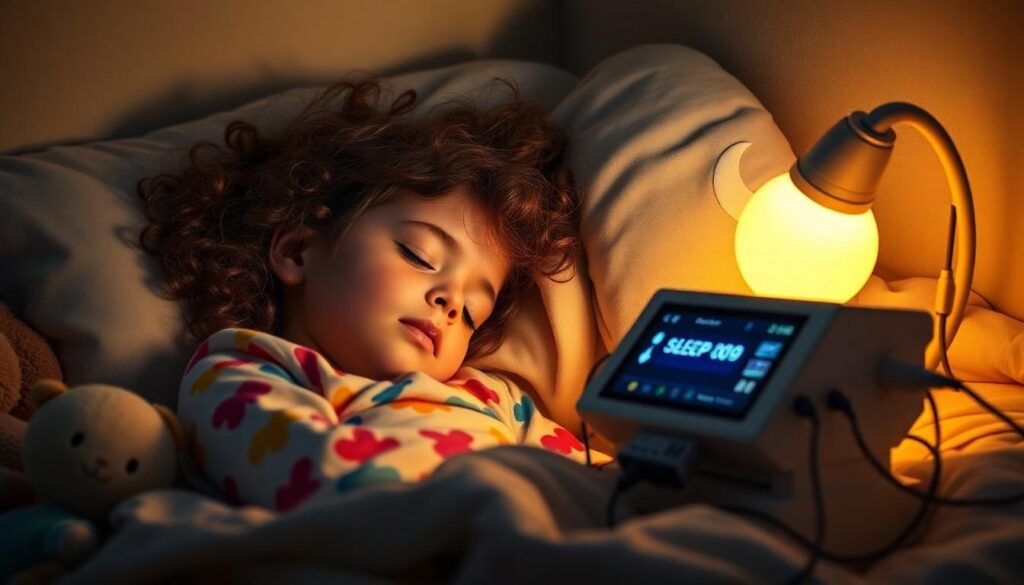
When it comes to sleep, kids can be as unpredictable as a cat on a hot tin roof. One minute they’re snoring like a chainsaw, and the next, they’re wide awake, plotting world domination—or at least a midnight snack. Parents often wonder if their little night owls are getting the sleep they need. That’s where sleep studies come in, turning the mystery of bedtime into a science project.
A sleep study for kids isn’t just a fancy term for counting sheep. It’s a way to uncover the secrets of their sleep patterns, helping parents ensure their children are recharging properly. With the right insights, families can tackle issues like restless nights and groggy mornings, paving the way for happier, healthier days. So buckle up; it’s time to dive into the world of pediatric sleep studies and discover how they can transform bedtime chaos into a peaceful slumber.
Overview of Sleep Studies
Sleep studies for kids offer valuable insights into children’s sleep patterns and disorders. Conducting these studies involves monitoring a child’s sleep cycle in a controlled environment, providing precise data on sleep quality. Healthcare professionals utilize various methods, including polysomnography, to track different stages of sleep, movements, and breathing patterns.
Parents often seek sleep studies when their children face challenges such as insomnia or sleep apnea. Understanding the underlying causes of these issues requires comprehensive assessments. Pediatric specialists may recommend a sleep study if a child exhibits excessive daytime sleepiness or frequent nightmares.
Technology plays a key role in sleep studies. Advanced equipment records brain activity, heart rate, and oxygen levels, creating a complete picture of the child’s sleep. Clinics typically conduct these assessments overnight, ensuring a natural sleep environment for accurate results.
Families can expect a thorough analysis of the data collected. After completing the study, specialists review the findings and discuss potential treatment options. Parents gain a better understanding of their child’s sleep issues, empowering them to address concerns effectively.
Sleep studies not only help diagnose sleep disorders but also guide interventions that improve overall well-being. Utilizing these insights, parents can foster healthier sleep habits and contribute to their child’s physical and mental health. Seeking a sleep study proves beneficial for families struggling with sleep-related challenges, leading to more restful nights and better mornings.
Importance of Sleep for Kids

Sleep is essential for children’s overall development and well-being. Adequate rest supports growth, learning, and daily functioning.
Physical Health Benefits
Sleep significantly influences physical health. Quality sleep helps bolster the immune system, reducing the likelihood of illnesses. Children with sufficient sleep also maintain a healthy weight, as sleep affects hormone regulation involved in appetite. Growth hormone is released primarily during sleep, making it crucial for physical development. Furthermore, well-rested children display better coordination and skill performance in sports or activities.
Mental Health Benefits
Mental health greatly benefits from quality sleep. Proper rest helps enhance mood, attentional capacity, and emotional regulation. Studies indicate children who sleep well experience fewer behavioral issues and lower anxiety levels. Sleep deprivation can contribute to irritability, depression, and difficulty in concentrating. Quality sleep encourages cognitive functions like memory retention and problem-solving skills, providing a strong foundation for learning.
When to Consider a Sleep Study for Kids
Considering a sleep study for kids becomes essential when specific sleep issues arise. Parents often recognize the need for assessment based on observable behaviors and symptoms.
Common Sleep Disorders
Sleep disorders affecting children include insomnia, sleep apnea, and restless legs syndrome. Insomnia involves difficulty falling or staying asleep, leading to fatigue. Sleep apnea interrupts breathing during sleep, resulting in loud snoring and restlessness. Restless legs syndrome creates discomfort, causing children to move their legs frequently during the night. Additional disorders may include narcolepsy, which is characterized by excessive daytime sleepiness and sudden sleep attacks. Awareness of these conditions helps parents identify when a sleep study might be necessary.
Signs Your Child May Need a Sleep Study
Certain signs indicate a child may benefit from a sleep study. Frequent daytime fatigue often points to underlying sleep issues. Irregular sleep patterns, such as difficulty falling asleep or recurring awakenings, can also signal a need for further evaluation. Behavioral changes such as irritability or mood swings might relate to poor sleep quality. Bedwetting beyond the expected age may suggest an underlying disorder as well. These indicators, combined with parental observations, inform the decision to seek a professional sleep study.
What to Expect During a Sleep Study
A sleep study offers a clear view of a child’s sleep patterns. Parents often prepare for a unique experience that combines comfort and observation.
Preparation for the Study
Preparing for the sleep study starts with a consultation. A physician may provide instructions on what to bring, such as pajamas and favorite blankets. Parents might also need to keep a sleep diary to track patterns. Familiarizing the child with the equipment can help ease anxiety. Discussing the procedure with the child can also create a sense of readiness. These steps help ensure a smoother experience during the study night.
The Sleep Study Process
During the sleep study, the child typically sleeps in a comfortable, monitored environment. Sensors attached to various body parts collect data throughout the night. The staff monitors breathing, heart rate, and brain activity. Comfort remains a priority, and children may feel more at ease with their parents nearby. Continuous observation ensures accurate data collection. Afterward, specialists analyze the results and recommend appropriate interventions. These insights guide families toward solutions for any identified sleep issues.
Interpreting Sleep Study Results
Interpreting sleep study results involves carefully analyzing data collected during the assessment. Specialists evaluate brain activity to determine sleep stages and identify disruptions. They measure respiratory patterns to assess any breathing abnormalities, particularly in cases of sleep apnea.
Quantitative metrics, including total sleep time and efficiency, provide insights into overall sleep quality. A normal sleep pattern typically contains distinct cycles of REM and non-REM sleep. Abnormalities in these cycles may indicate potential sleep disorders requiring further intervention.
In reviewing results, specialists look for specific symptoms, such as prolonged awakenings or excessive movement. A higher frequency of disturbances often correlates with daytime fatigue or behavior issues in children. Understanding these connections helps specialists create tailored treatment plans aimed at addressing the identified sleep challenges.
Family involvement proves crucial in this process. Discussions with parents about observed behaviors prior to the study can enhance understanding of results. Feedback from parents can also guide specialists in determining the most effective strategies for improvement.
Follow-up evaluations may involve additional recommendations, including lifestyle adjustments or sleep hygiene practices. Implementing consistent bedtime routines, limiting screen time before bed, and creating a sleep-friendly environment contribute to healthier sleep habits.
Ultimately, interpreting sleep study results empowers families to tackle sleep-related challenges effectively. Knowledge gained from these studies serves as a foundation for enhancing children’s sleep quality, fostering improved physical and mental health outcomes.
Treatment Options Following a Sleep Study
After a sleep study, several treatment options can address the identified issues. Depending on the results, specialists may recommend behavioral interventions for improving sleep hygiene. Families might consider establishing a consistent bedtime routine, which promotes relaxation and signals the body it’s time to sleep.
If obstructive sleep apnea is diagnosed, Continuous Positive Airway Pressure (CPAP) therapy is a common recommendation. This treatment helps keep airways open during sleep, ensuring better airflow. Weight management also plays a role; maintaining a healthy weight can alleviate symptoms in children with sleep apnea.
Medications may be prescribed for certain conditions like insomnia or restless legs syndrome. Prescription medications can help regulate sleep patterns effectively. In addition, specialized therapies such as cognitive-behavioral therapy for insomnia (CBT-I) often prove beneficial. This therapy addresses negative thoughts and behaviors around sleep, leading to improved rest.
Education on sleep hygiene is crucial for both children and parents. Understanding the importance of a conducive sleep environment contributes to better sleep quality. Simple measures like dimming lights, reducing screen time before bed, and maintaining a cool room can enhance sleep conditions.
Follow-up appointments ensure ongoing support and adjustment of treatment plans as needed. Specialists may assess progress and make necessary changes based on the child’s response to initial interventions. Family involvement in this process enhances the impact of treatment, ultimately leading to improved sleep for the child. Each approach aims to foster healthier sleep habits and bolster the child’s overall well-being.
Conclusion
Understanding a child’s sleep patterns is crucial for their overall well-being. Sleep studies provide valuable insights that can help families address sleep-related challenges effectively. By identifying issues like insomnia or sleep apnea, parents can work with specialists to implement tailored interventions.
Investing in a sleep study not only aids in diagnosing potential disorders but also empowers families to foster healthier sleep habits. With proper guidance and support, children can achieve restful nights and energized mornings, paving the way for improved physical and mental health. Prioritizing quality sleep is an essential step toward nurturing a child’s development and happiness.