

When it comes to parenting, sleep often feels like a distant dream—literally. Between midnight feedings, toddler tantrums, and the occasional nightmare, parents find themselves in a perpetual state of sleep deprivation. But what if there was a way to reclaim those precious Z’s without resorting to caffeine IV drips or bedtime negotiations that would make a diplomat blush?
Understanding Parent Sleep Solutions
Understanding sleep solutions is essential for parents grappling with sleep deprivation. Parents often experience interrupted sleep, impacting their well-being and daily functioning.
Importance of Sleep for Parents
Sleep significantly affects parents’ physical health and emotional well-being. Lack of restorative sleep can lead to irritability and heightened stress levels. Studies show that adults need an average of 7 to 9 hours of sleep per night for optimal performance. Sufficient rest enhances cognitive functions and improves decision-making abilities. Healthy sleep patterns also strengthen immune systems and boost overall mood. Prioritizing quality sleep is crucial, especially for parents managing various responsibilities and caring for children.
Common Sleep Challenges Faced by Parents
Parents confront numerous sleep challenges that disrupt their rest. Midnight feedings often lead to interrupted sleep cycles, particularly for new parents. Toddler tantrums create additional nighttime disturbances that can extend wakefulness. Sleep associations, such as needing to rock or feed a child to sleep, complicate the bedtime process. Nightmares and bedwetting in older children also contribute to restless nights. These factors accumulate, causing exhaustion that can impact daily activities and overall health. Recognizing these challenges is the first step in seeking effective sleep solutions.
Popular Parent Sleep Solutions
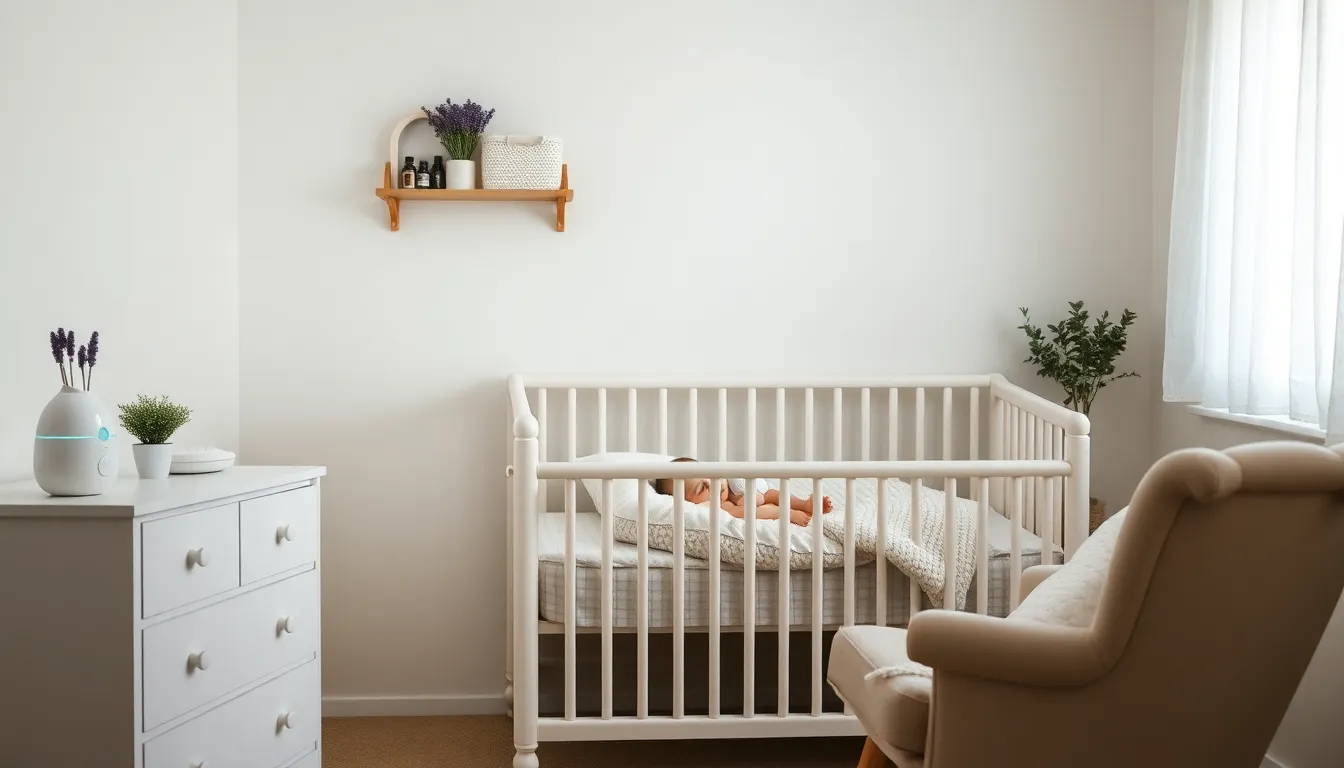
Parents often turn to various sleep solutions to combat exhaustion and improve their rest. Effective strategies and tools exist to help navigate the challenges of parenthood.
Sleep Training Methods
Sleep training offers parents structured approaches to encourage infants and toddlers to sleep independently. The Ferber method involves allowing children to self-soothe by gradually increasing intervals between comforting. Another popular approach, the Chair method, requires parents to sit near the child’s crib and gradually move further away each night. Parents can also explore No Tears methods, which emphasize a gentler approach to sleep routines. Research supports these methods, indicating that consistency leads to improved sleep patterns for children and well-rested parents.
DIY Sleep Aids
DIY sleep aids provide parents with creative yet simple solutions to enhance their sleep environment. White noise machines help mask disruptive sounds, promoting a calmer atmosphere. Essential oils like lavender may aid relaxation when diffused in the bedroom. Creating a bedtime routine using calming activities, such as reading or gentle stretching, signals to the body that it’s time to wind down. Parents can also optimize room temperature, aiming for a cool and comfortable setting for better sleep quality.
Technology and Parent Sleep Solutions
Technology offers innovative approaches to improve parental sleep. Various tools help track sleep patterns, providing insights into rest quality.
Sleep Tracking Apps
Sleep tracking apps assist in monitoring sleep duration and efficiency. Many parents use applications like Sleep Cycle and Pillow, which offer real-time feedback. They collect data on sleep cycles, alerting users to patterns that may interfere with rest. Parents find that analyzing this information highlights areas for improvement. Customizable notifications guide parents in establishing better routines, ensuring they achieve the recommended 7 to 9 hours of sleep per night. Creating a structured sleep environment based on app data can lead to enhanced overall well-being.
White Noise Machines
White noise machines create a soothing auditory backdrop, drowning out disruptive sounds. Many parents use devices such as the Dohm or Hatch to establish consistent, calming environments. These machines produce gentle sounds that help mask noise from various disturbances. Research shows that consistent exposure can lead to deeper sleep for both parents and children. The repetitive white noise also conditions children to fall asleep easier, allowing parents more uninterrupted rest. Investing in a quality white noise machine proves beneficial in cultivating a peaceful sleep atmosphere.
Expert Tips for Better Sleep
Achieving better sleep is vital for parents. Implementing a few expert tips can significantly enhance rest quality.
Creating a Sleep-Conducive Environment
Darkness plays a crucial role in signaling the body to sleep. Use blackout curtains to block out light from outside. Comfortable bedding and pillows also contribute to improved sleep quality. Maintaining a cool room temperature between 60°F and 67°F fosters better rest. Consider introducing calming scents, such as lavender, to create a soothing atmosphere. For noise disturbances, white noise machines can mask disruptive sounds, promoting a peaceful sleep space for both parents and children.
Establishing a Consistent Routine
A structured bedtime routine helps signal to children that it’s time to wind down. Engaging in calming activities, such as reading or gentle bath time, establishes predictability. Setting regular sleep and wake times reinforces the body’s internal clock. Consistency adjusts children’s sleep patterns, enhancing overall sleep quality. It’s also beneficial to limit screen time before bed, as blue light negatively impacts sleep. Prioritizing these steps can result in more restful nights for the entire family.
Finding effective sleep solutions is essential for parents seeking to reclaim their rest and improve their overall well-being. By recognizing the unique challenges that come with parenting, they can take proactive steps to enhance their sleep quality. Implementing strategies like sleep training methods and creating a soothing sleep environment can lead to significant improvements.
Utilizing technology, such as sleep tracking apps and white noise machines, further supports parents in establishing better sleep routines. With consistent efforts and the right tools, parents can foster a more restful night for themselves and their children, ultimately leading to a happier and healthier family dynamic.