
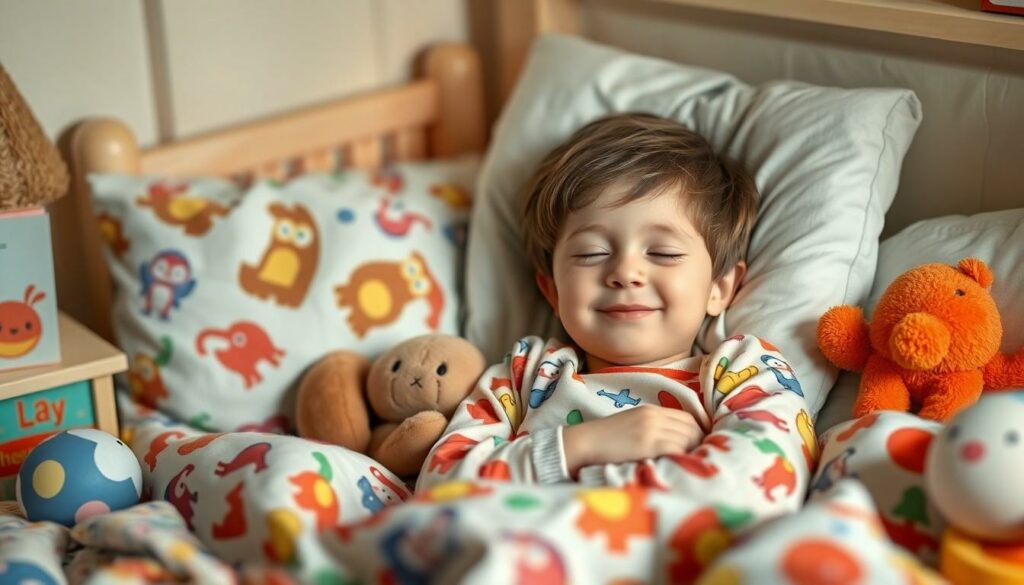
Ever been jolted awake by your child’s animated bedtime chatter? You’re not alone! Sleep talking, or somniloquy, is a common phenomenon that can leave parents both amused and puzzled. Kids often turn their dreams into delightful monologues, sharing everything from their latest adventures to nonsensical tales featuring imaginary friends.
Understanding Sleep Talking in Children
Sleep talking, also known as somniloquy, typically occurs during the lighter stages of sleep. Children often enter this state during rapid eye movement (REM) sleep, where most dreaming takes place. Kids frequently vocalize their dreams, sharing fragments that can range from silly phrases to vivid narratives involving imaginary friends.
Parents may hear giggles, whispers, and excited conversations while their child sleeps. Such experiences can be surprising but are generally harmless. Research indicates that about 50% of children talk in their sleep at least occasionally. The frequency of sleep talking tends to decrease as children grow older.
Various factors can contribute to sleep talking. Stress plays a significant role in increasing the likelihood of sleep disturbances, including children vocalizing their dreams. Additionally, fatigue may lead to increased instances of sleep talking. Conditions such as sleep apnea or night terrors can also lead to enhanced sleep talking behaviors.
In many cases, sleep talking doesn’t require treatment. Parents can monitor their child’s sleep patterns, ensuring they maintain a consistent bedtime. Good sleep hygiene, such as limiting screen time before bed and creating a calming bedtime routine, can help reduce episodes of sleep talking. Understanding these factors aids in demystifying the phenomenon and reassures parents about their child’s nighttime chatter.
Common Causes of Sleep Talking

Sleep talking often relates to various factors that can influence children’s nighttime behavior. Understanding these causes provides insight into the phenomenon.
Sleep Stages and Their Impact
Sleep talking frequently occurs during lighter sleep stages, especially REM sleep. REM sleep enhances dream activity, making it more likely for children to vocalize their dreams. As they transition between sleep stages, this vocalization may become spontaneous. Research shows that children spend more time in lighter sleep phases than adults, leading to a higher incidence of sleep talking during childhood. The cycle of sleep is crucial, as disruptions can lead to increased sleep talking.
Genetic Factors
Genetic predisposition plays a significant role in sleep talking. Studies indicate that children with family histories of sleep disorders are more likely to talk in their sleep. An individual’s genetic makeup can influence how they experience and react to sleep states. This inherited tendency may manifest in more vivid dreams or increased sleep disturbance. Understanding this familial link helps identify why some children are more prone to sleep talking than others.
Stress and Anxiety
Stress and anxiety can significantly impact sleep quality and lead to sleep talking episodes. Children often process daily experiences through their dreams, and heightened emotional states may result in more expressive sleep behaviors. Nighttime chatter may reflect worries or stressors encountered during the day. Recognizing the correlation between emotional health and sleep quality is essential for parents. Managing stress through relaxation techniques or calming bedtime routines can reduce sleep talking instances in affected children.
Signs and Symptoms of Sleep Talking
Sleep talking can manifest in various ways during a child’s nighttime slumber. Parents might notice their child giggling, whispering, or having animated conversations while asleep. This vocal activity usually signals a dream state and often occurs during lighter sleep stages.
Frequency and Duration
Sleep talking episodes in children can vary widely in frequency and duration. Research shows about 50% of children engage in sleep talking at least occasionally. Some may talk every night, while others might do so just once a month. Duration of these episodes can last from a few seconds to several minutes. Typically, the frequency of sleep talking decreases as children grow older, with most children outgrowing this phase by adolescence.
Associated Sleep Disorders
Sleep talking can sometimes associate with other sleep disorders. Conditions such as sleepwalking and night terrors often share similarities. These disorders may stem from disruptions during sleep cycles or underlying stress factors. Particularly in children, occasional sleep talking is generally benign. However, persistent or loud episodes may signal a need for further evaluation, especially if accompanied by other sleep disturbances.
How to Manage Sleep Talking
Sleep talking in children can prompt curiosity and concern among parents. Managing this phenomenon involves understanding common strategies and recognizing when additional support may be necessary.
Tips for Parents
Encouraging a consistent sleep schedule fosters healthy sleep patterns. Establishing calming bedtime routines, such as reading stories or practicing relaxation techniques, helps create a tranquil environment. Limiting screen time before bed reduces stimulation, promoting deeper sleep. Monitoring stress levels is key; discussing worries with children can alleviate nighttime anxiety. Observing sleep talking episodes can provide insight into triggers and patterns. Maintaining a calm demeanor when sleep talking occurs reassures children, allowing them to feel secure during rest.
When to Seek Professional Help
Consulting a pediatrician is advised if sleep talking persists or escalates in frequency. Noting signs of other sleep disorders, such as sleepwalking or night terrors, warrants a discussion with a healthcare professional. Identifying loud or disruptive episodes can indicate underlying issues. Seeking help becomes vital if sleep talking negatively affects overall sleep quality or daily functioning. Professional evaluation can provide guidance and determine if further intervention is needed.
Conclusion
Sleep talking in children is a fascinating and often amusing aspect of their nighttime routines. It reflects their active imaginations and the natural stages of sleep they experience. While it can sometimes raise concerns for parents, understanding its underlying causes can provide reassurance.
As children grow older, the frequency of sleep talking typically decreases. By fostering a calming bedtime environment and addressing any potential stressors, parents can help create a positive sleep experience. Most importantly, recognizing that sleep talking is generally harmless allows families to enjoy these whimsical moments without worry.