

Dressing a baby can feel like preparing for a fashion show where the star refuses to cooperate. With tiny socks mysteriously disappearing and outfits that seem to be designed for a wrestling match, navigating the world of baby clothing can be quite the adventure. But fear not! This baby clothing guide is here to turn that chaos into a stylish experience.
Understanding Baby Clothing Needs
Dressing a baby involves understanding their unique clothing needs. Parents should consider not only style but also comfort, safety, and practicality.
Types of Baby Clothing
Onesies provide essential ease, offering full coverage and easy diaper access. Sleepers keep babies cozy during night hours, featuring zippers or snaps for quick changes. Rompers combine style and functionality, allowing for freedom of movement while maintaining a stylish appearance. Layering pieces like cardigans or jackets offer warmth for varying temperatures. Accessorizing with hats and socks completes the outfit and helps regulate body temperature.
Factors to Consider When Choosing Baby Clothes
Fabric choice plays a crucial role in ensuring comfort; breathable materials like cotton help prevent irritation. Size selection should accommodate growth; clothing labeled growth spurts accommodates babies from newborn to 12 months. Safety features are paramount; clothing should avoid small parts that pose choking hazards. Consider ease of care; machine-washable items simplify maintenance. Lastly, budget remains an important factor; balancing quality with affordability ensures sensible shopping.
Essential Baby Clothing Items
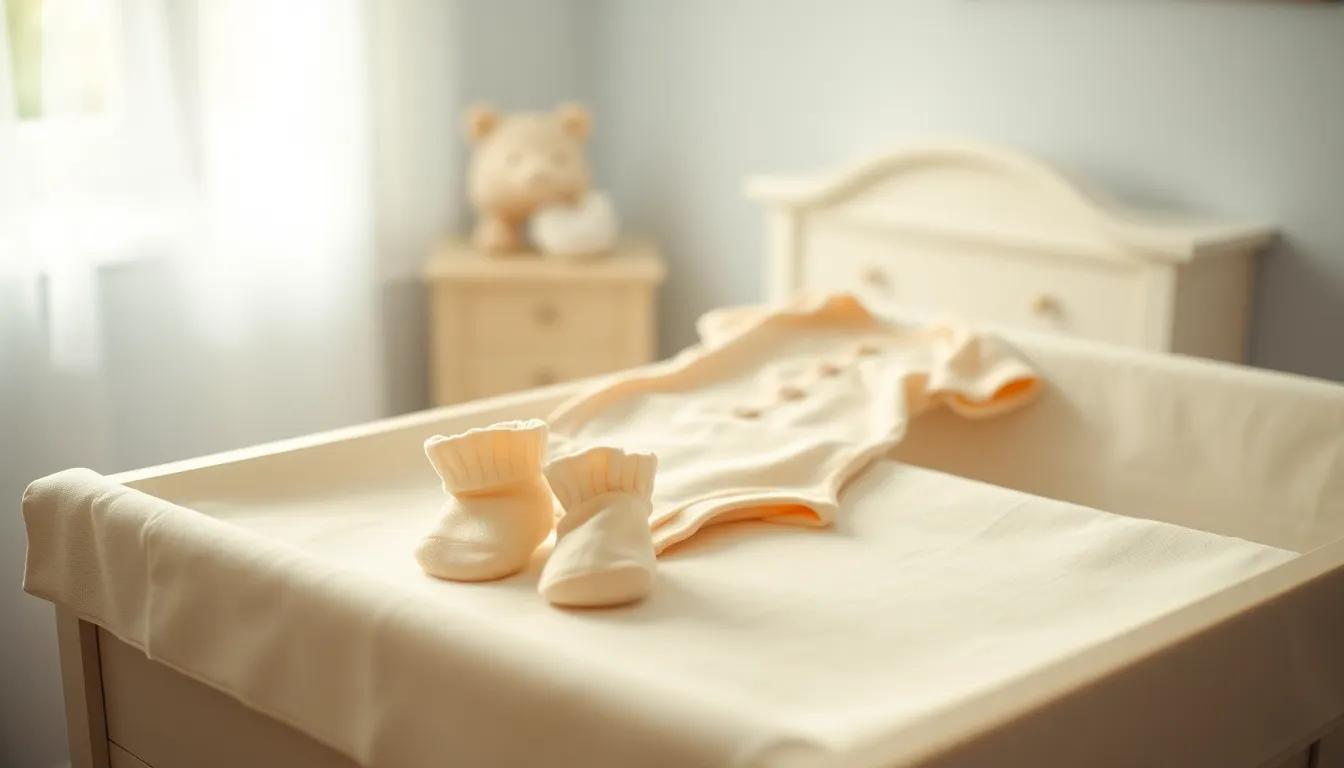
Selecting the right clothing for a baby involves understanding the essential items that provide comfort and functionality.
Newborn Basics
Newborns require soft fabrics that protect their sensitive skin. Bodysuits form the backbone of many outfits, ensuring diaper changes are quick and easy. Sleepers, made of breathable materials, keep infants cozy during naps and at night. A few pairs of socks and mittens keep tiny extremities warm, while hats protect from temperature fluctuations. Bibs are also crucial, helping to manage drool and feedings. These basics ensure comfort and practicality during the early stages of a baby’s life.
Seasonal Clothing Needs
Seasonal changes affect baby clothing choices significantly. In warmer months, lightweight, breathable fabrics are ideal, allowing airflow to keep babies cool. Short-sleeved onesies pair well with shorts for daytime activities. For colder seasons, layering becomes essential. Long-sleeved bodysuits under sweaters offer warmth, while insulated jackets and hats protect against the chill. Footed pajamas keep babies snug and reduce exposure to cold air. Adapting clothing to the season ensures babies stay comfortable while enjoying the outdoors.
Tips for Choosing the Right Size
Selecting the correct size for baby clothing ensures comfort and satisfaction. A well-fitting outfit makes dressing easier for parents and keeps babies happy.
Understanding Baby Size Charts
Baby size charts provide valuable guidance for selecting garments based on age, weight, and height. Each brand may have slightly different sizing, so checking individual charts is essential. Generally, sizes range from newborn to 24 months, with each category addressing various growth stages. Parents should measure their baby’s weight and height to accurately match these measurements with the chart. This approach helps avoid purchasing clothes that are too tight or too loose.
Common Sizing Mistakes
Parents often make several common sizing mistakes when shopping for baby clothes. Choosing a size based solely on age can lead to fitting issues since babies grow at different rates. Ignoring the stretch of fabric can also result in ill-fitting outfits; fabrics designed with elastic give more room for movement. Purchasing items without considering layering can create challenges during colder weather. Lastly, selecting clothes based on looks rather than practicality may overlook essential features like easy closures and breathable materials.
Caring for Baby Clothes
Caring for baby clothes ensures longevity and comfort. Proper maintenance helps protect delicate fabrics and keeps garments looking fresh.
Washing and Drying Tips
Washing baby clothes requires special attention to fabric sensitivity. Use a gentle, fragrance-free detergent to minimize irritation. Cold water settings preserve colors and eliminate dirt effectively. Avoid fabric softeners; they may contain harsh chemicals. For drying, air drying is optimal, as it reduces wear and tear. If using a dryer, select a low-heat cycle to prevent shrinking. Check care labels before washing, as some fabrics need specific handling.
Storing Baby Clothing Properly
Storing baby clothing organization avoids confusion. Clean, dry garments should hang or fold neatly in designated spaces. Use breathable storage bins to keep clothes fresh. Label containers for easy identification of seasonal items. Avoid airtight bags, as they trap moisture and can cause mildew. Rotate clothing regularly, utilizing outgrown items for future siblings or donations. Maintain an inventory of sizes to ensure readiness for growth spurts.
Navigating the world of baby clothing doesn’t have to be overwhelming. With the right guidance and knowledge, parents can create a stylish and comfortable wardrobe for their little ones. Prioritizing comfort and practicality ensures that babies are happy and ready to explore their surroundings.
By understanding sizing and fabric choices, parents can avoid common pitfalls and make informed decisions. Proper care and maintenance of baby clothes not only extend their lifespan but also keep them looking fresh and new.
Ultimately, this baby clothing guide empowers parents to dress their babies with confidence, turning what once felt chaotic into a delightful experience.