
As one of Europe’s most spectacular natural wonders, the Alps are a dream of snow capped mountains, pristine lakes and idyllic villages. However, with increasing mass tourism and the perils of climate change, the delicate ecosystems of the region are suffering. Sustainable travel in and around the Alps includes enjoying the beauty and splendor without compromising it for generations to come. From modes of transportation to ways to conduct oneself among the locals, sustainable travel takes into account every step of the process to ensure that maintaining the awe of the areas can be done without malfeasance at the expense of exploration.
The Best Travel Method for Sustainability
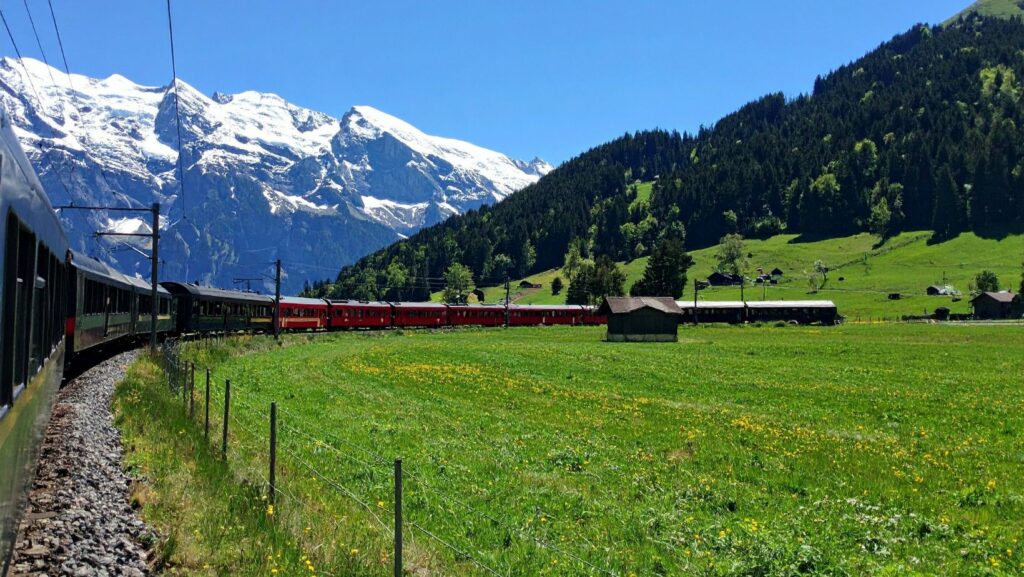
Transportation represents the most carbon emissions generated by Alpine tourism. The best way to travel to the Alps is by train. There are robust rail systems in France, Switzerland, Austria, and Italy; major routes connect to tourist destinations and are efficient yet beautiful. The Glacier Express or Bernina Express combines impressive looks with low emissions.
When traveling by plane, take direct flights to use less fuel. Offset your carbon footprint with reliable programs. Shuttle service Geneva to Avoriaz is an excellent example of an eco-friendly shared transfer option that minimizes emissions while maintaining comfort and convenience. Upon arrival, shared or electric transfers like Alps2Alps Transfers can easily and comfortably bring you from the airport or train station to the resort. Reducing private vehicles on high mountain roads is critical to decreasing traffic and emissions; whenever one can take a public or shared transport option, the better.
Travel Where Greener Options Are Available
Sustainability continues once you’ve arrived. More and more hotels and chalets now provide eco-labels like Green Key or EU Ecolabel, which confirm energy-efficient internal systems, renewable energy, and proper waste management efforts. As such, these are the places where travelers want to spend their money for greener options.
Besides properties with solar panels, heat pumps, and local materials for construction, places like Zermatt and Avoriaz boast car-free travel and other sustainable practices, including renewable heating. A resort can have its own systems (i.e., car-free travel as no engine emissions can occur), which travelers should take advantage of. Also, staying in locally-owned properties keeps tourism profits in the destination community, where populations use their funds to create a balance between economic interests and environmental needs.
Slow Travel in the Alps
One of the easiest ways to embrace sustainable travel in the Alps is to move slowly. Instead of hopping on a train to get from one resort to another within three days, stay in one region for a week and lessen your transportation emissions footprint.
Slow travel allows deeper connections with communities and avoids carbon emissions traveling needlessly between destinations. Instead, travelers should utilize hiking, biking (e-biking when possible), and walking and taking advantage of any available electric shuttle system. Beautiful walking paths through the Engadine Valley or e-bike paths through Tyrol allow visitors access to beautiful landscapes without harming them.
Traveling slowly turns your trip into something more beautiful as a mindful experience instead of rushing through it one that benefits yourself and the environment.
Waste Reduction and Plastic-Free Travel
Mountain environments can be sensitive to pollution. One of the easiest yet most effective ways to cut waste is to ensure you carry reusable items. Refilling your water bottle, for example, means you don’t have to buy a single-use plastic one. The same goes for a reusable shopping bag and travel cutlery. Many of the Alpine villages have public water fountains providing fresh mountain spring water so you needn’t buy a single-use plastic bottle.
When you’re out skiing or hiking, pack a little bag to ensure you can collect waste and leave without a trace. If you bring snacks, make sure the packaging is biodegradable. Avoid disposable hand warmers or snacks that come in plastic wrappers. Use cafés and restaurants that focus on local produce and sustainable packaging to promote these best practices throughout the region.
Sharing Transfers and Electric Vehicles
Private vehicles are expensive yet, they add traffic and carbon emissions into the mix for travel through the Alps. Instead, consider shared transfers as a happy medium between comfort and sustainability to achieve decarbonization efforts everywhere. These transfers share vehicles between like-minded passengers all heading to the same resorts.
Alps2Alps Transfers services use fuel-efficient or hybrid vehicles, too, which reduces emissions but reliable transfer times and comfortable accommodations. In the past few years, more destinations have initiated electric mobility opportunities. For example, Zermatt and Saas-Fee are car-free towns relying upon electric taxis, buses and shuttles for transfer information. Therefore, shared or electric options provide a more holistic transfer opportunity for all travelers.
Eating Locally and Seasonally
Food is a cornerstone of culture in the Alps so by making deliberate decisions to eat local, in-season ingredients, your carbon footprint shrinks considerably. Many of the mountain villages are proud of farm-to-fork food endeavors, cheese from local grazing pastures, handmade charcuterie in small family smokehouses and fresh bread baked daily. Supporting local farmers and small establishments increases community resilience by reducing carbon emissions from external sources.
Chains should be avoided at all costs. Instead, visit local inns, gasthofs or mountain huts with produce grown right outside or in their backyards. Eating in-season foods means better-tasting flavor profiles, too! In the Alps, it’s always farm-to-fork when you proactively choose what’s best for you and what’s best for sustainability efforts.
Understanding Local Wildlife and Natural Areas
The Alps are filled with countless wildlife ibex, marmots, golden eagles, chamois, and more providing exciting opportunities to see these animals and creatures up close. However, respecting wildlife preserves their existence, so stay away from feeding animals and tread lightly in wildlife. It’s always best to avoid straying off marked paths to respect animal habitats.
Animals can be scared away from noise and drones, so keep volume down and avoid drone usage in animal-heavy regions. Read up on nature preserves and parks for more specific guidance, as often, the best part of your trip will be enjoying the natural beauty of the mountains and you want to keep it that way.
Sustainable Packing Choices
Packing is part of sustainable travel. Think critically about what you truly need, even if it seems like it will make your life easier while you’re there. Sustainable clothing choices include natural fibers and recycled materials to lessen the washing you need to do and to lessen your impact on natural resources. Merino wool and organic cotton will allow you to pack fewer items for multi-day wear while also being great materials for changing climates.
Avoid fast fashion ski gear; instead, invest in quality pieces that will last for years or rent your gear at the resort level for a reduced impact. Consider eco-friendly toiletries, solid shampoo bars instead of bottles, biodegradable soap instead of hotel soaps, and reef-safe sunscreen for all your mountain needs. The more you think ahead, the less you’ll have to pack and the less impact you’ll have on the world around you.
Sustaining Traveling Seasons
Part of sustainable travel is when you travel. The best times to go to the Alps are on the shoulder or off-peak seasons late spring or early autumn as well as summer. Early June, late September or October may even provide similar experiences without many travelers present. This lightens the burden on communities with resources in peak summer and ski seasons and eliminates added pressure on skiing resorts and transport options that often get overwhelmed with demand during busier months.
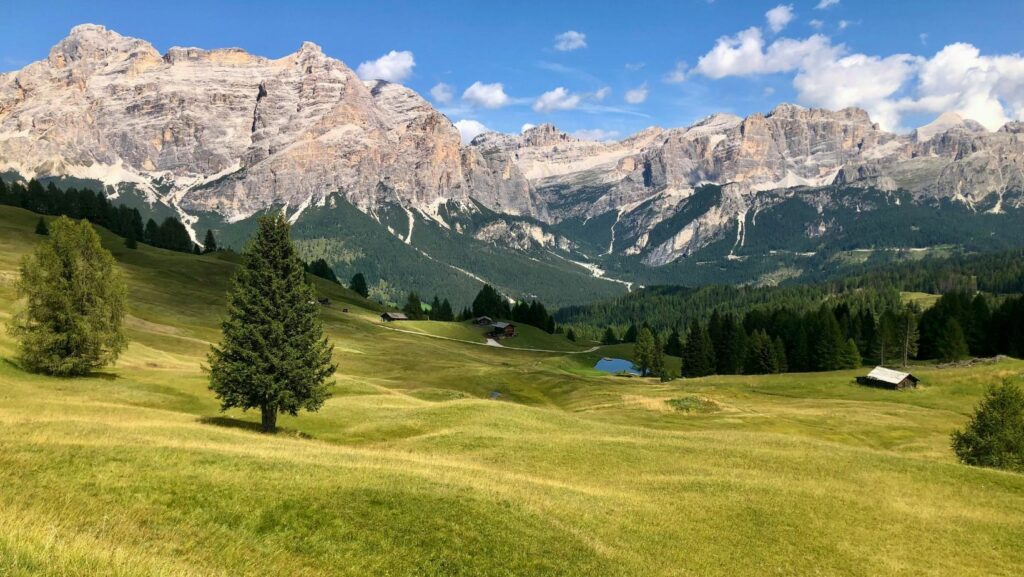
Further, these timelines allow all travelers to support the local economy year-round, as shops are small and community members would prefer consistent stability during all parts of the year instead of overwhelming seasons. In addition, spending time on trails without other loud travelers provides intimate encounters with wildlife, changing leaves, or colorful flowers instead of other people trampling through. You may find accommodation cheaper in these months as well, but traveling off-season will help you feel more connected and rewarded in the end.
Contribute to Conservation and Eco Projects
Support the places you visit so they can be maintained. Many spots throughout the Alps have opportunities for contributions to conservation efforts from donation drives for national park efforts to tree planting to community clean-ups.
It’s not only the typical rustic mountain lodges that are starting to implement green energy and reforestation campaigns for impact. Travelers can buy carbon offsets from approved local initiatives as opposed to international companies. When each traveler chips in on these little efforts, it eventually becomes a great effort that protects these fragile environments for decades to come.
Stay in Car Free/Low Impact Villages
Accommodating in car-free villages and towns can help the sustainability of the Alps for a stunningly tranquil atmosphere. Towns like Wengen, Zermatt and Mürren operate on electric vehicles, gondola and rail systems, taking less noise and emissions into the already environmentally concerning air.
Staying in these towns will support low-impact travel and a different travel experience. Without cars, travelers walk, bike or use electric taxis at a slower pace which helps you both protect the environment as well as see how the locals live, breathing fresh air, hearing quiet streets, absorbing uninterrupted views of the surroundings.
Learn About the Culture and Share About It
Sustainable efforts start with knowledge. Before your trip, learn about cultural and environmental challenges within the region. Know what to expect regarding cultural interactions, waste management, and rules and regulations for conservation. This will prepare you to better maintain your responsibility while traveling.
Furthermore, share your experience with like-minded sustainable decisions along the way. Social media, travel blogs, sharing with friends all draw attention to others who might travel there next. The Alps are a collective history and with awareness, every traveler can become part of the story that protects these mountains.
Travel Between Alps Via Train – An Eco-Friendly and Scenic Travel Option
One of the most sustainable means of travel between regions is by train, especially throughout the Alps. The Bernina Express, GoldenPass Line, Glacier Express and more all provide scenic train rides with electric or hybrid engines powered predominantly by renewable energy. Why stress over driving through a snowy pass when you could comfortably sit back and enjoy the sites? Not to mention, emissions from short train travel are significantly lower than traveling via car or local flights, making this one of the most efficient options for getting between accommodations.
Moreover, major resorts accessible by train include Zermatt, Verbier, St. Moritz, and more and hotels are accessible from the respective stations via short transfers. For the ultimate eco-friendly route, combine train travel with Alps2Alps Transfers from stations to hotels and beyond to make this much easier than trying to drive, park and pay for gas plus, your carbon footprint will be significantly smaller. In the Alps, slow travel is not just scenic travel it’s sustainable travel.
Reduce Energy Consumption When You’re There
While travelers can do their part before and during their travels to/through/out of the Alps, there are many ways to conserve energy while there. When in hotels, guest houses, lodges and cabins, everything from turning off lights/appliances while away from the lodging to regulating energy-intensive systems like heating and A/C makes a difference. Instead of opening a window every time the cabin gets too hot, simply regulate until the cabin becomes too cold for its occupants.
Since energy sources may not be as readily available in the mountains as in other parts of Europe, eco-lodge hospitality staff will advise travelers how to shower, when to wash their hands and what to do about towels instead of just assuming they can use new towels every day without consequence. Taking shorter showers or avoiding them altogether makes a significant impact on resource equity.
Even local excursions might entail electric charging stations at one’s hotel if offered, travelers should take advantage. This includes relying on public transport instead of renting a car should the hotel not offer EV-friendly options. Eating vegetarian meals even once or twice during one’s trip does wonders for energy and resources. Sustainable travel is built upon small efforts that consistently respect certain ecosystems in this case, the fragile Alps.
Final Thoughts: Take Only Pictures Leave Only Footprints
Traveling through the Alps does not require travelers to forgo comfort levels or adventure but instead experience elements best suited for those who can appreciate what travel means in respect of nature and the people who surround them.
From shareable transfers and exciting train rides to local dining and accommodations with green initiatives, it all adds up for travelers who know that their effort can go a long way when building cumulative impact in such a special place.
The Alps have stood for thousands of years, beckoning travelers near for majestic encounters and peaceful moments. By exploring them today, responsibly, we pave the way for future generations to experience the same beauty and the same pristine views unblemished forevermore.