
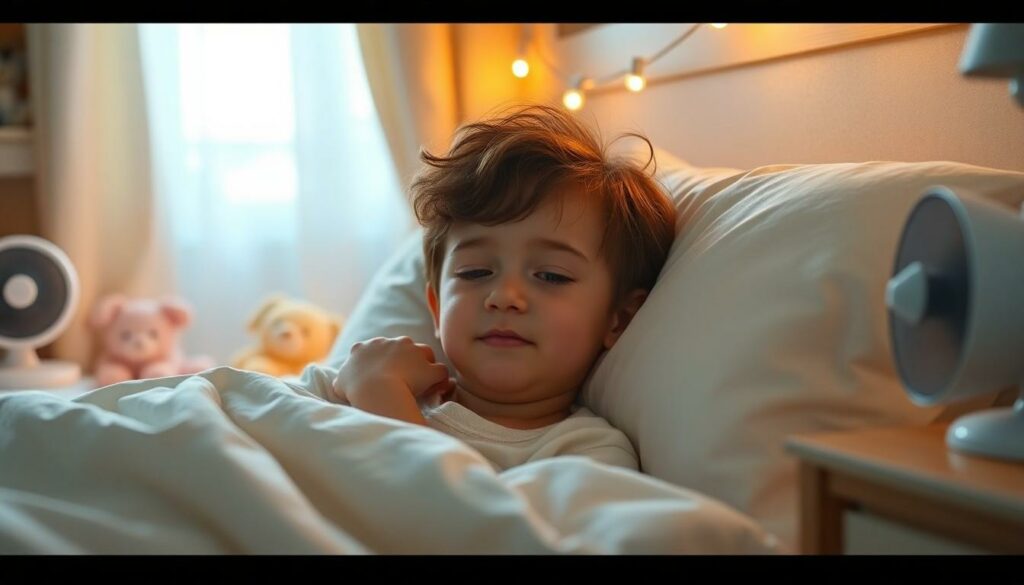
Ever woken up to find your little one drenched in sweat, looking like they just ran a marathon in their sleep? It’s a common sight for parents, yet it often raises a few eyebrows and questions. Why do kids sweat when they sleep? Is it a sign of a wild dream or just their body’s way of practicing for the next summer heatwave?
Understanding Night Sweats in Children
Children experience night sweats for various reasons. One primary factor is their active metabolism. Kids often burn energy quickly during play, and this can cause their bodies to heat up, resulting in sweating during sleep.
Another cause is the sleep environment. High room temperatures or heavy bedding can lead to an increase in perspiration. Ensuring the sleeping area is cool and well-ventilated plays a vital role in minimizing excessive sweating.
Hormonal changes also contribute to night sweats in children. As they grow, their bodies undergo shifts that can increase sweat production. This is particularly common during growth spurts.
Certain medical conditions might lead to increased sweating. Infections, hyperhidrosis, and other underlying health issues can cause night sweats. Monitoring any accompanying signs or symptoms remains essential for identifying potential health concerns.
Diet and fluid intake affect how much children sweat while sleeping. Consuming spicy foods or excessive liquids before bedtime can exacerbate the issue. Parents should consider adjusting evening meals to alleviate discomfort.
Genetic factors can be significant as well. If a parent experiences night sweats, it’s possible the child might too. Recognizing patterns in the family can provide insight into normal variations.
Understanding the reasons behind night sweats helps in creating a comfortable sleep environment. Parents can support their children’s nighttime comfort by addressing these various factors effectively.
Common Causes of Night Sweating

Night sweats in children often stem from various factors. Hormonal changes play a significant role during growth spurts. Increased hormone levels can stimulate sweat glands, resulting in excessive sweating. This process is completely normal as a child’s body adapts to changes.
Sleep environment significantly influences the likelihood of night sweats. Room temperature should be comfortable; excessively warm rooms or heavy bedding can trap heat. It’s important for parents to monitor the climate and adjust bedding accordingly. Additionally, using breathable fabrics may help improve airflow, thus reducing sweat. Keeping the sleep space well-ventilated contributes to a more comfortable sleeping experience for children.
Health Conditions Associated with Night Sweating
Night sweating in children can stem from various health conditions. Identifying these issues helps clarify the causes of excessive perspiration during sleep.
Infections
Infections often lead to increased sweating in children. Conditions such as fever, colds, or respiratory infections trigger the body’s immune response, causing the child to sweat as it fights off illness. Night sweats can also accompany other infections like tuberculosis or endocarditis. Parents should consult a healthcare provider if they suspect a persistent infection, as early diagnosis improves treatment outcomes.
Sleep Disorders
Sleep disorders may contribute to night sweating, particularly in children with conditions like obstructive sleep apnea. Airway blockages during sleep can elevate heart rates, leading to sweating. Insomnia is another possibility, where disrupted sleep cycles create stress responses that manifest through sweating. Seeking professional advice can address these disorders effectively, enhancing overall sleep quality.
Other Medical Issues
Certain medical issues can result in night sweats in children. Conditions such as hyperthyroidism increase metabolism, which may cause excessive sweating. Diabetes mellitus can also be a factor, particularly if blood sugar levels fluctuate during the night. Medication side effects might lead to increased perspiration as well. Monitoring these health aspects helps pinpoint the underlying causes of night sweats.
When to Seek Medical Advice
Parents should seek medical advice if a child experiences persistent night sweats. Frequent sweating may indicate underlying health conditions that require assessment. If sweating accompanies other symptoms like fever, weight loss, or fatigue, a healthcare professional’s input is essential. Observing changes in behavior or sleep patterns warrants further investigation.
Monitoring children for signs of dehydration is crucial. Excessive sweating can lead to fluid loss, potentially causing dehydration. Noting any associated symptoms, such as increased thirst or irritability, signals a need for attention. Parents must keep track of the child’s overall health and note any significant changes.
Consultation with a doctor becomes necessary for cases involving sleep disorders. If a child struggles with insomnia or obstructive sleep apnea, these conditions may contribute to sweating. Understanding the connection between sleep issues and perspiration can help guide treatment.
Recognizing genetic factors also plays a role in decision-making. If night sweats run in the family, it may be a benign trait, but verification through pediatric evaluation ensures peace of mind. Being proactive can facilitate timely interventions and ensure a child’s comfort.
In situations where night sweats interfere with daily activities or sleep quality, parents should not hesitate to discuss concerns with a medical professional. Effective communication about all observed symptoms enhances the diagnostic process and promotes appropriate management. Taking these steps helps ensure children maintain optimal health and well-being.
Tips for Managing Night Sweats
Managing night sweats in children requires attention to various factors in their sleep routine and environment. Implementing simple changes can promote a more comfortable sleep experience.
Adjusting Sleep Environment
Controlling the sleep environment directly influences nighttime sweating. Parents should aim for a room temperature between 68°F and 72°F. Keeping the bedroom ventilated helps maintain airflow. Lightweight bedding, such as cotton sheets, allows for breathability. Using fans can also enhance air circulation. Additionally, minimizing the use of heating appliances in the room can prevent excess warmth during sleep. Such steps create a comfortable atmosphere conducive to sound sleep.
Monitoring Clothing Choices
Selecting the right sleepwear is crucial for managing night sweats. Choosing loose-fitting, breathable fabrics like cotton reduces heat retention. Parents should also avoid dressing their children in heavy pajamas or layers. Lightweight, short-sleeved options offer comfort without overheating. When selecting sleepwear, consider the child’s comfort preferences to ensure a good night’s sleep. By making thoughtful clothing choices, parents can help minimize perspiration during the night.
Conclusion
Night sweating in children is a common occurrence that can stem from various factors. Understanding the underlying causes helps parents address concerns effectively. By creating a comfortable sleep environment and monitoring their child’s habits, parents can significantly reduce the frequency of night sweats.
If excessive sweating persists or is accompanied by other concerning symptoms, seeking medical advice is essential. Awareness of potential health issues and genetic predispositions allows for better management of this phenomenon. Ultimately, ensuring a restful night’s sleep for children contributes to their overall well-being and comfort.