
There are few things more atmospheric and culturally engaging for a mountain traveler than an alpine market. Not only are they fantastic resources for goods, but they are living embodiments of regional existence – places where age-old traditions come alive through local vendors and craftspeople in community-driven endeavors reflective of the seasons. From town squares in urban centers to cobblestoned paths in off-the-beaten-path villages, the Alpine market fosters local existence, where much-admired craftspeople showcase their abilities passed down through generations, tastes are created from the rugged landscapes and climates, and customs are on proud display for all to experience. The following article includes some of the most beautiful alpine markets, delving into their heritage and substance that makes a traveler feel as though they’ve truly experienced the authentic Alps.
Focus on Community and Culture at Mountain Markets
Alpine markets have been social and economic hubs for generations. Villagers used to bring their dairy and wheat, tools, and crafts to the communal market to trade for what they needed, often hiking from valleys miles away. Today, the same tradition exists with weekly and seasonal markets where locals and tourists gather. Geneva to Val Thorens ski transfer service is often mentioned by travelers planning visits that combine resort stays with local cultural experiences, making it easier to explore nearby villages and their traditional markets. These markets are a social and cultural environment where mountain dwellers reconnect, share stories, appreciate the harvest, and cultivate social relationships. The atmosphere is dynamic but culturally grounded. Wooden toys, regional vegetables, and artisan crafts fill the air with chatter as children experience the cultures that established this community-focused lifestyle centuries ago. A visit to a mountain market further educates you on how and why people have been living cooperatively for generations in such spaces since there is a collective purpose and value in the experience.
Crafts Designed by Generations of Trained Professionals
Crafts throughout the Alps have been passed down for generations, meaning many craftspeople are as much masters of their craft as they are dedicated to the culture of the arts throughout towns and villages. Many crafts include woodwork, pottery, metal work, leather work, textiles, and lace work; many creations are developed from utilizing natural resources. Warm clothing made of alpaca or sheep wool, cooking utensils carved from regionally available trees to ensure strength, bells that protect livestock from bears and snow, or decor created from natural craft materials; each item captures a timeless technique relevant to mountain living even today. At markets, tourists may observe craftspeople at work and interact with them on a personal level for purchases that boast a connection to culture and craftsmanship like none other.
A Taste of the Alps! Seasonal Specialties and Local Flavors
Food is everywhere at mountain markets when they seasonally run. Regional specialties come from various farms with livestock boasting native leaves and grasses. Artisan cheeses, cured meats with locally grown spices and herbs, even unique baked goods are sold like hot cakes (literally). Seasonal tastes emerge as well – wild mushrooms from August to September, honey and chestnuts in fall, apples in autumn – and are crafted into jams, pastries, and preserves sold at tiny stations throughout. Travelers may often have samples as each bite reveals a flavorful implication of what it means to live in the mountains with a specific artisan spirit attached to each producer who takes pride in what they’ve created directly from their land as a method of community engagement with visitors. From mountain cheese slices to steaming hot herbal teas to sweet apple tarts or apricot jams, an experience through taste further connects you to all local artisans offering anything regional for sale.
Wooden Art and Carving Traditions That Shape The Alpine Character
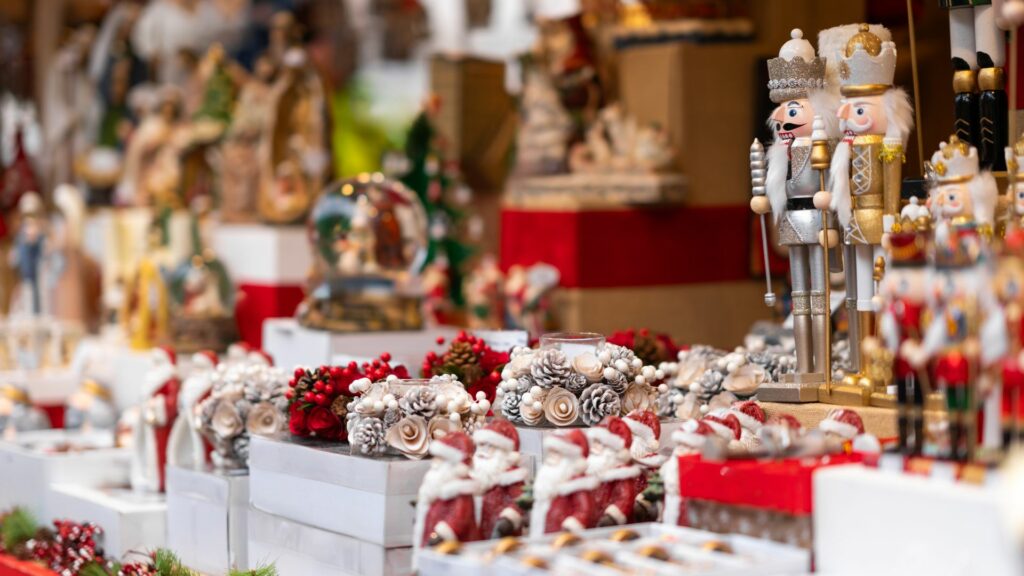
One of the most recognized Alpine artisan traditions involves wood carving and art, a function of the forests that cover many mountainous slopes. From home decorations to kitchen utensils to decorative panels or furniture, artisans use larch, pine, maple and other woods in regional hills to carve figures, Christmas cribs, and more. Each region within the Alps has its distinct carvings – a story told culturally or a religious statue or carved animal brought to life through years of training passed down from generation to generation. The beauty and functionality of carvings brought to life is stunning; one often sees them displayed proudly at alpine markets and understands the intricate patience involved in creating a block of wood into an animated piece. By supporting such artisans, a tradition continues that has defined the Alpine character for centuries.
Textile Traditions Passed Down From Generation To Generation
Textile traditions are also prevalent in the Alps, especially in areas where sheep herding and wool production were once essential for survival. Handwoven wool blankets, knitted hats and mittens, felt slippers, hand-sewn clothes, and embroidered pieces are recognized in many markets, passed down through generations as families come to know and appreciate how to transform wool into wearable works of art. Wool crafts came out of necessity in oftentimes cold and snowy climates but transitioned into patterns and colors regionalized for certain patterns. Thus, someone from South Tyrol may recognize the more intricate embroidery from their area while a person from a different part of Austria might boast unique designs more popular in their valleys. Today, artisans continue to reinvent these crafts while paying homage to modern designs that keep them relevant.
Ceramics and Pottery With An Alpine Flair
Ceramics vary from earthy, rustic pottery used in traditional mountain kitchens to decorative pieces more fine and representative of local flower and fauna cultivation. Ceramics are made from clay found throughout the valleys of the mountains, and bowls, mugs, plates and vases reflect the women who live there most – often featuring edelweiss, pinecones or even ibex sculpted into vases or bowls through impressive artistry. Where practicality meets beauty, ceramics are often representative of day-to-day necessities influenced by life in the mountains. Similar to wooden craftsmen, ceramic artisans proudly display their work at local markets; vibrant colors and patterns draw in visitors who can speak directly to the artisans responsible for their intricate work and gain an appreciation for their skill set from purchase inception until the time of sale.
Seasonal Markets An Extension of Alpine Traditions Throughout The Year
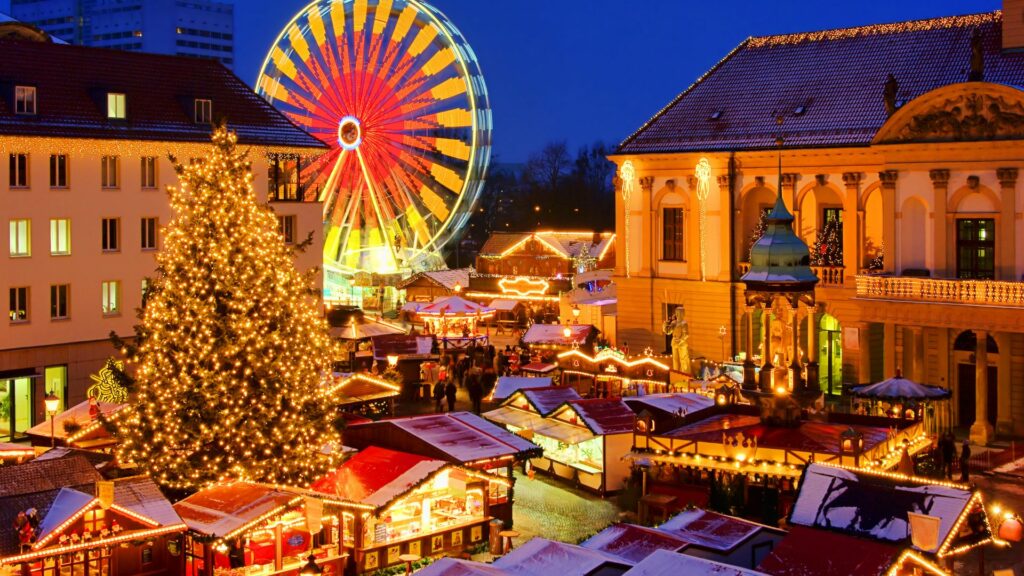
While some visitors may find their favorite markets to peruse, each season offers its own type of market, extending traditions and village life to different areas of the year. Summer and fall may boast a larger variety of produce based on growing cycles, herbal concoctions for natural remedies and handwoven goods. Winter markets transform squares into miniature Christmas villages with ornaments, mulled wine, pastries and other holiday-related fare. In spring, welcome the new season with flowers, local cheeses to celebrate new blooms and handmade crafts for renewal. Such seasonal markets capture the essence of village life and allow traveling guests to see the culture at its best. Each market emerges as a powerful story from generations past to create the connection to the present based on the interconnectedness of these mountain dwellers and their offerings.
Integrating with Village Life Through Market Interactions
Markets represent the best opportunity to integrate with local village life, as many residents are found perusing stalls and interacting with farmers and artisans. Connecting through conversation brings personal history and regional pride into the mix where guests don’t just buy goods, but learn their origins through passion and purpose. Therefore, those making up markets are as interesting as the products themselves, which only adds to the authenticity of why these markets have stood the test of time and offer daily life traditions worth exploring. The more travelers engage, sample, taste and learn, the more they’re welcomed in for not just a financial transaction, but a cultural exchange. This is real village life at play; a market is a good place for locals and outsiders to meet.
How Markets and Artisanal Traditions Connect to Broaden Your Experience
When travelers carve out time to explore a local market, they’re immersing themselves in culture like few other options can provide. Each handmade item – from textiles to carved figures to homemade delicious foods – captures a piece of Alpine life – from its resourcefulness to creativity to its ability to respect what materials the region lends them. This is a place where people come together to share what they have learned over generations about craft-based work for survival. It’s worthwhile for travelers to set aside time not only to shop, but truly soak in the experience as it presents an opportunity unlike any others during a trip where time slows down and simple moments can be truly cherished. Few memories are more lasting than those which come from markets filled with life, opportunity and artistic presents.
Honey, Herbs, and Alpine Botanicals Handed Down Through the Generations
Honey, herbs and botanicals are other items that line the markets in abundance. At many an Alpine market, one can find beekeepers selling honey, herb gardeners selling herbs and herbalists selling medicinal things they have gathered over the generations. Honey bees pollinate the high altitude flowers, and the honey bees acclimated to the mountain ethos so beekeepers will sell honey that is comprised of alpine blossoms. Herb sellers will have teas, balms and tinctures made from arnica, chamomile and gentian, as well as mountain mint. These are all plants that have been known to possess their healing properties for centuries of living in the Alps. Even today, families forage through herbs they know how to pick in the summer due to their grandparents and great grandparents teaching them not only how to recognize and use them, but also with the dynamics of the natural rhythm of the land. Thus, purchasing these items at the market gives tourists a glimpse of the holistic side of being an Alpinist as well as intergenerational awareness that allows for such goods to be sold.
Blacksmithing, Bell-Making and Metalworking That Rings Out Throughout Time
An exploration into blacksmithing, metalworking and bell-making (among other creations) comes about as a critical part of life from the time settlers established their new homes. In order to create a proper settlement, farmers needed tools, horseshoes and other hardware requisite for survival so forging became part of many daily routines. To this day, those innovations are kept alive through artisan workshops that delve into generations of practiced know-how passed down through anyone who participates. One such metalworking is bell-making for cattle as farmers take their herds up into the mountains to graze. Cows wear bells around their necks and pound behind them. This resonates from far away as tonal pieces that are uniquely attributed to certain families and herds. There are many market stalls that sell these bells as well as knives, candle holders, wrought iron ornaments, etc. – all pieces that represent strength, durability, practicality and craft that have long connected them to historical relevance throughout the region.
Market Breads, Pastries and Artisan Baking At Its Best
Finally, breads, pastries and baked goods are aplenty at market – and there’s often a live demonstration where one man or woman is whipping up dough or shaping pretzels that are known town-wide. When it comes to breads – and baked goods in general – family recipes are passed down through generations for family tables – and there’s nothing better than sitting at one of those market stalls chomping on a delicious sourdough or nut-filled roll after a long day in the mountains to close out with good food. Breads come in all shapes and sizes from bites to hard crusts to loaves stuffed with nuts and grains representing where families originated from and how they’ve acclimatized over time with what’s been available in the valleys. From Bienenstich to strudels to nut cakes, there’s something homely about a dessert in this region because they are hearty – which means purchasing baked goods at an Alpine market means more than just breaking bread – but understanding the culinary history behind it all coming from family recipes normally had back at home but made extra special in-the-moment on a market day – or night.
How Alpine Markets Preserve Cultural Identity in a Modern World
While the Alpine areas may be developing toward more tourism and modern construction, the market is the cultural champion of the region. Artisans share skills that may go lost over time, and the producer-community connection fosters the ability for younger generations to learn from their elders, continuing crafts and recipes and cultural appreciation. For travelers, access to such markets is an engagement with realistic Alpine culture instead of touristy trinkets that are more about industrial production and less about meaningful sustainability and connection. Thus, in a world that continues to change, the market is the living museum where culture can be celebrated, maintained, and used as a part of daily life.